
Optimal Timing for Shrub Removal
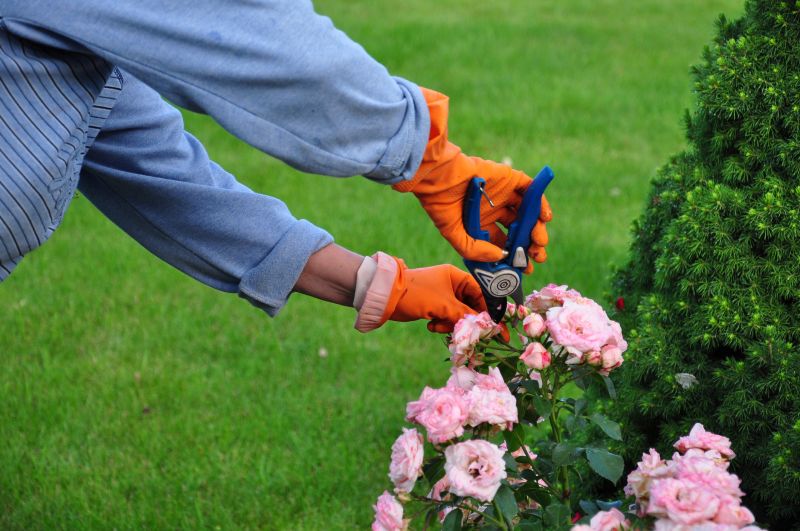
Spring is ideal for shrub removal as plants are emerging, making it easier to assess and remove unwanted growth.
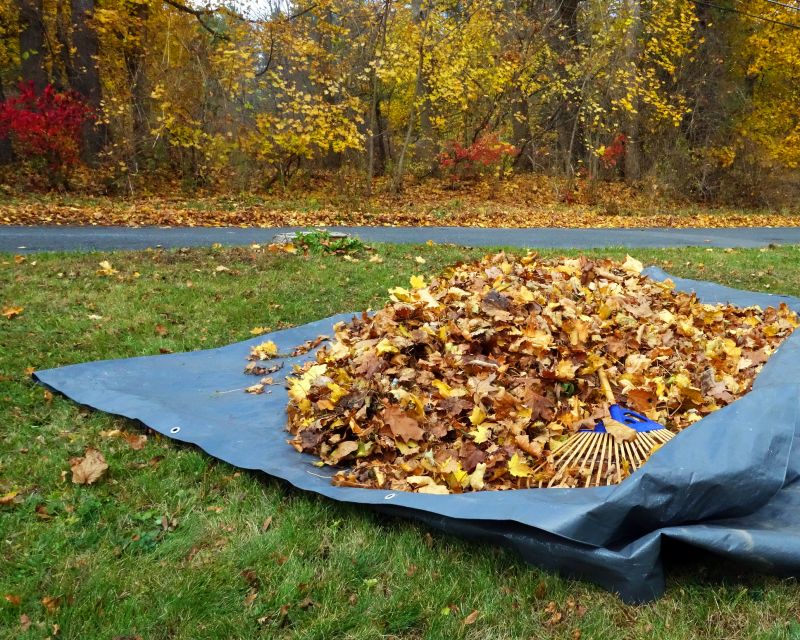
Fall offers a suitable time for shrub removal before the onset of winter dormancy, reducing stress on remaining plants.
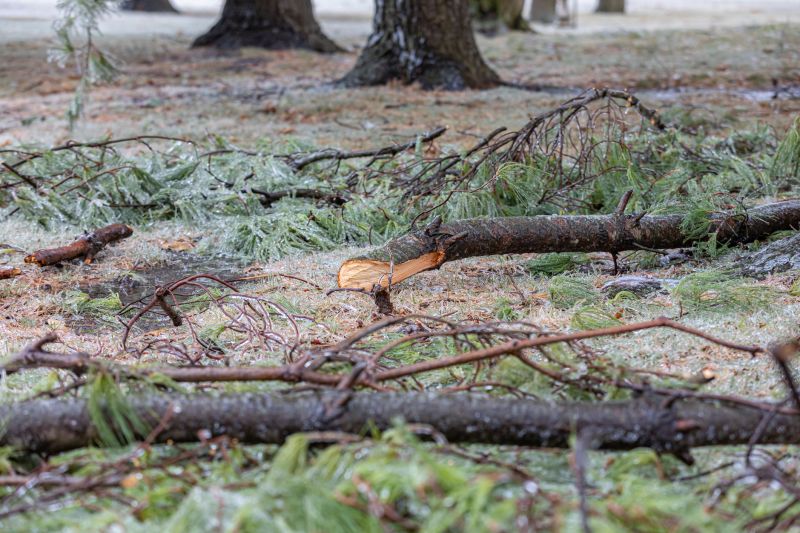
Winter removal is possible in milder climates, but generally less preferred due to frozen ground and dormant plants.

Ways to make Shrub Removals work in tight or awkward layouts.
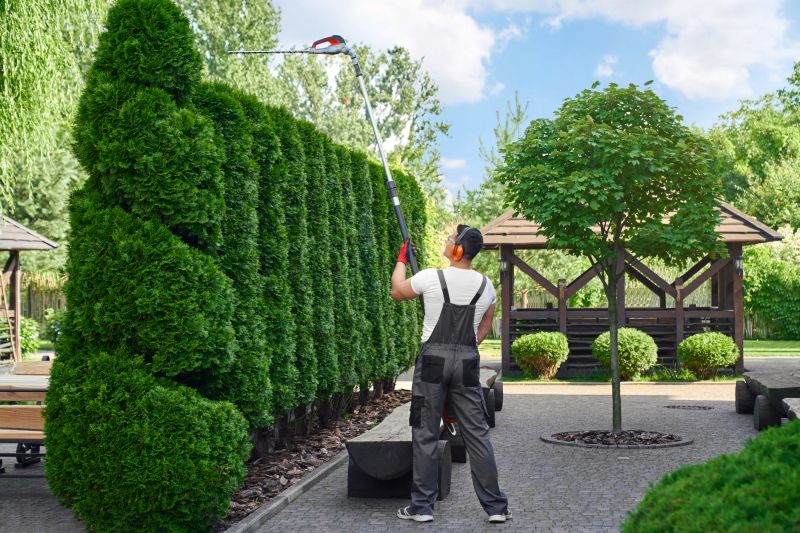
Popular materials for Shrub Removals and why they hold up over time.

Simple add-ons that improve Shrub Removals without blowing the budget.
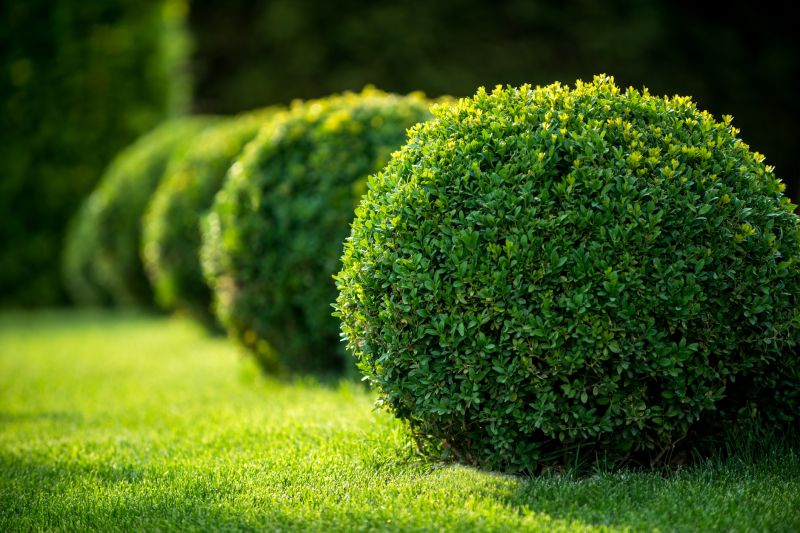
High-end options that actually feel worth it for Shrub Removals.

Finishes and colors that play nicely with Shrub Removals.
The best time to remove shrubs is typically during early spring or late fall, when plants are either beginning or ending their active growth cycle.
Removing shrubs at appropriate times can prevent disease spread, reduce pest infestations, and promote healthier landscape growth.
Removing shrubs during dormancy minimizes stress and encourages quicker recovery, while removal during active growth may hinder plant health.
Deciduous shrubs are best removed in late fall or early spring, whereas evergreen shrubs may require different timing based on species and climate.
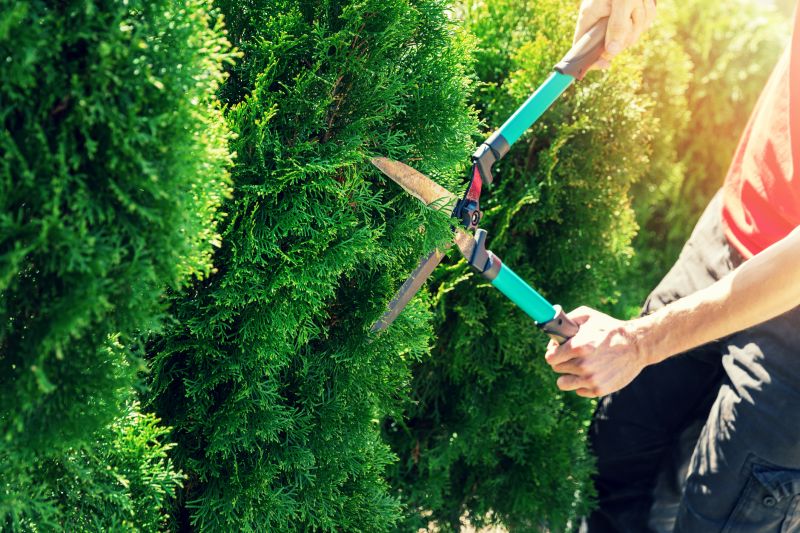
Tools like pruning shears, loppers, and saws are essential for effective shrub removal.

Proper timing and techniques promote a healthy, balanced landscape after shrub removal.
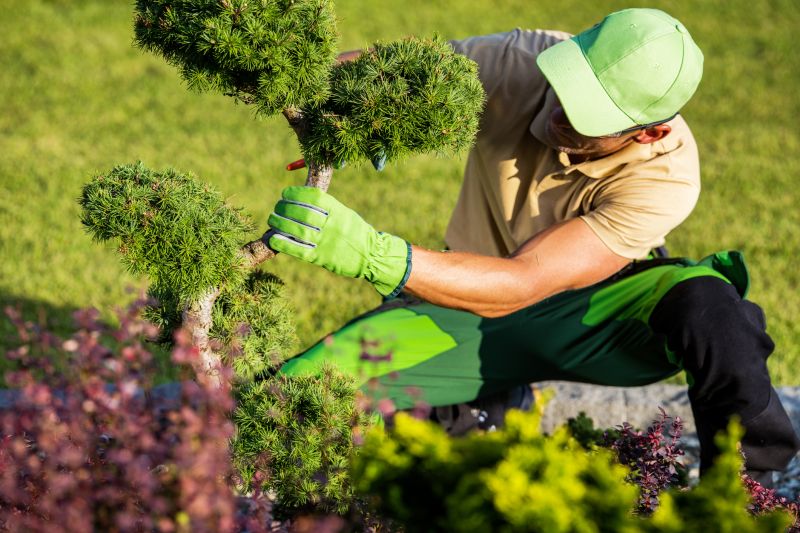
Overgrown shrubs can be pruned or removed to improve sunlight and airflow in landscape areas.
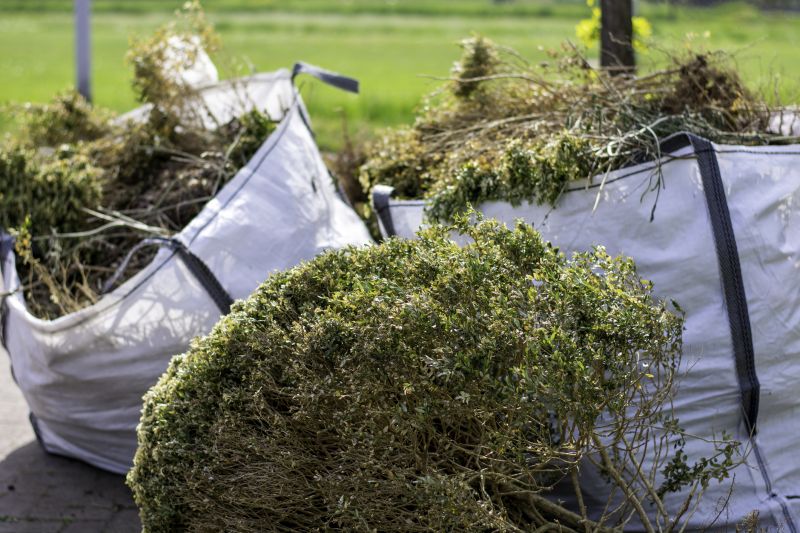
Proper disposal or recycling of removed shrubs helps maintain landscape cleanliness and health.
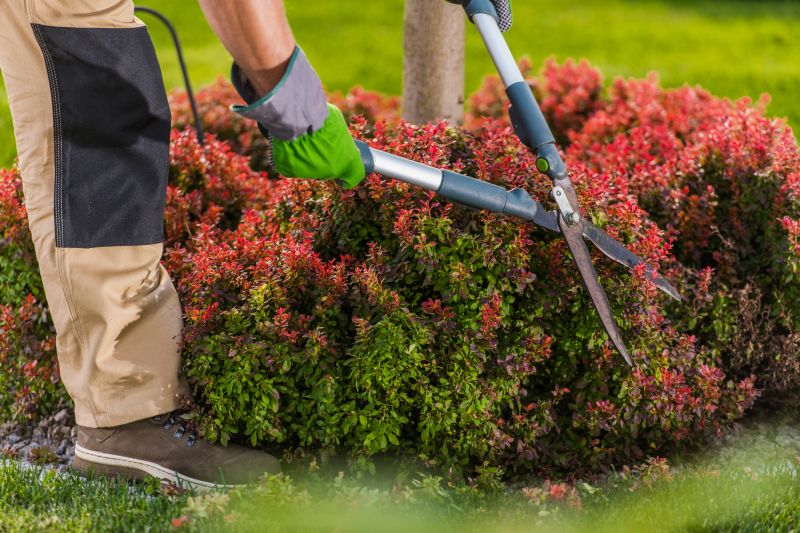
Little measurements that prevent headaches on Shrub Removals day.
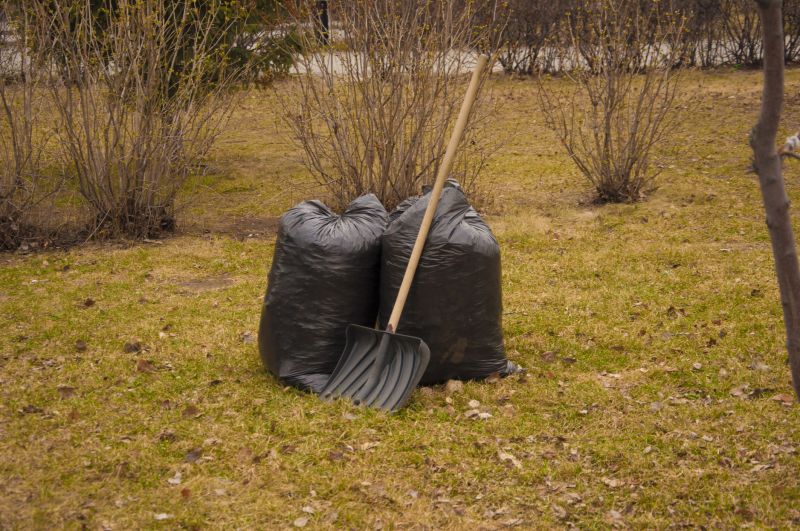
A 60-second routine that keeps Shrub Removals looking new.
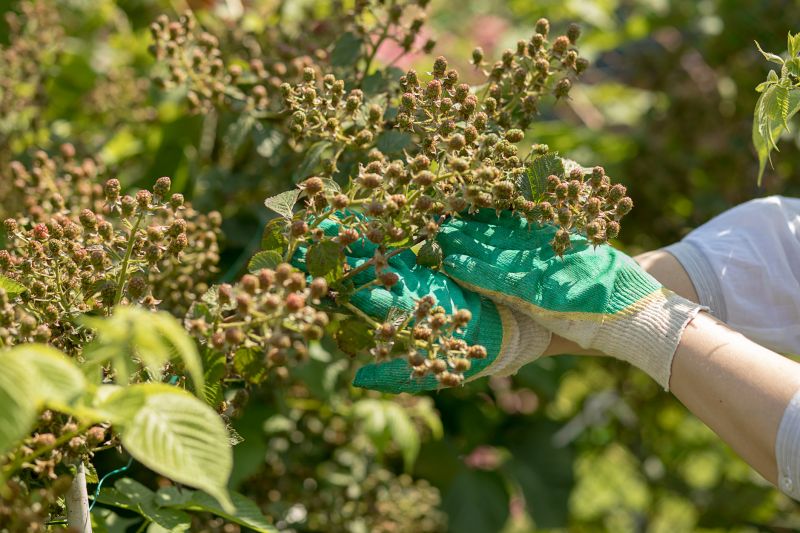
A frequent mistake in Shrub Removals and how to dodge it.

Small tweaks to make Shrub Removals safer and easier to use.
| Season | Ideal for Shrub Removals |
|---|---|
| Spring | Yes, especially early spring before new growth begins. |
| Summer | Less ideal due to active plant growth and heat stress. |
| Fall | Yes, particularly late fall before dormancy. |
| Winter | Possible in mild climates, but generally less recommended. |
| Late Winter | Acceptable if ground is not frozen and plants are dormant. |
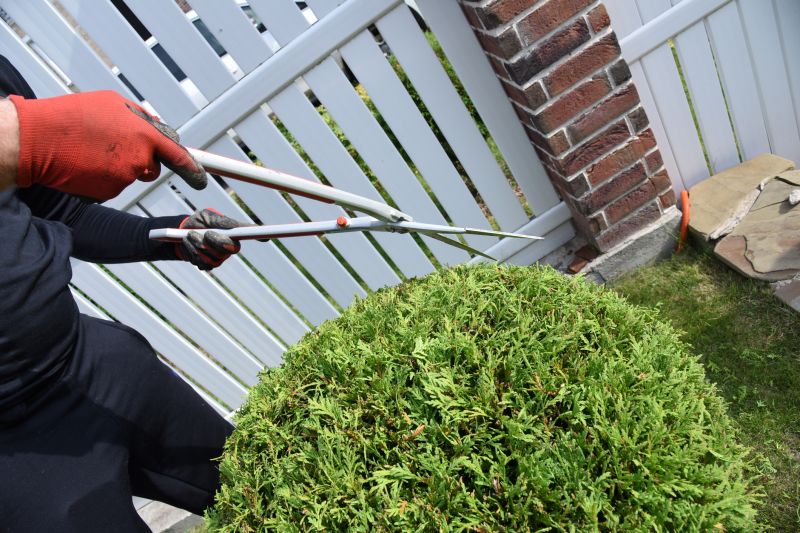
Removing overgrown shrubs to improve landscape aesthetics.
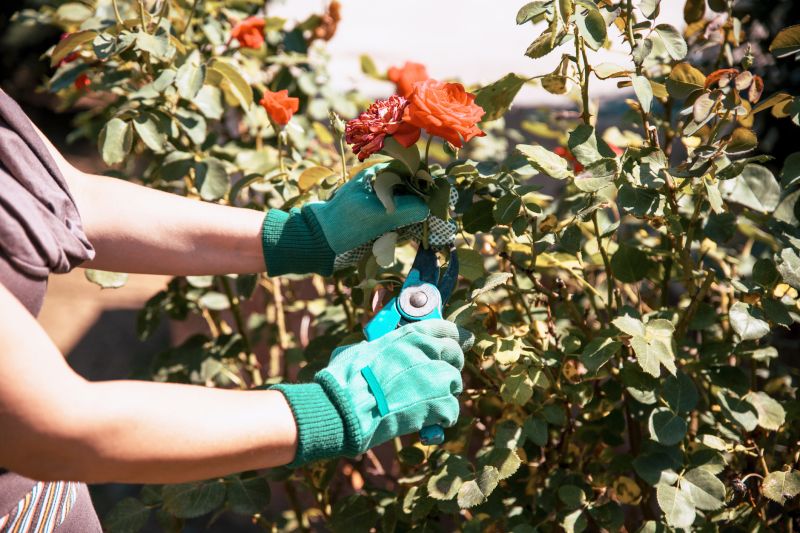
Using pruning shears and saws for precise shrub removal.
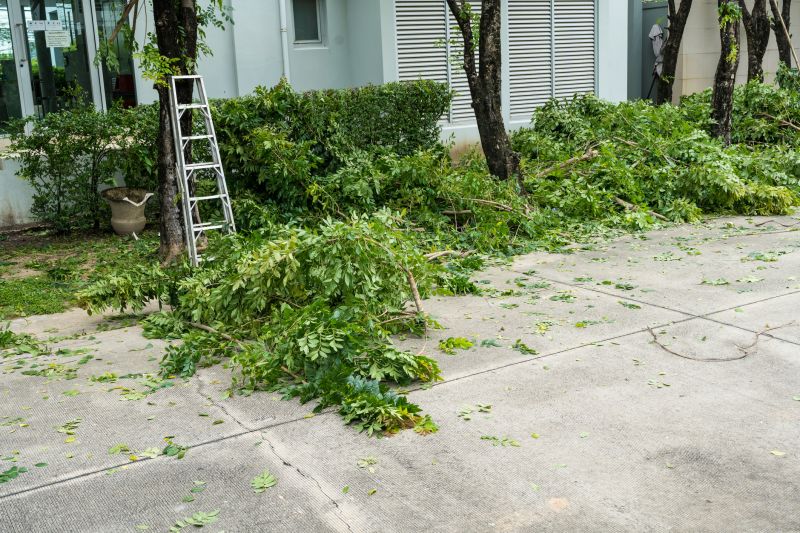
Clearing debris to maintain landscape health and appearance.

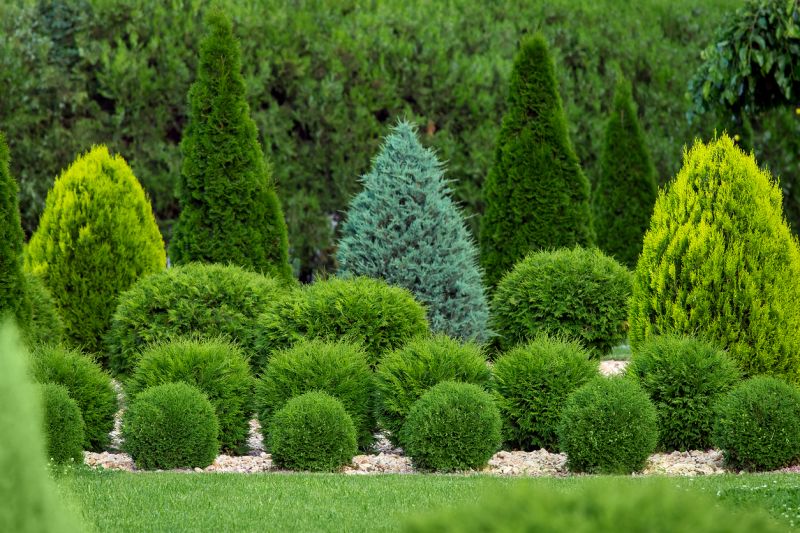
Achieving a balanced and attractive landscape through proper shrub removal.
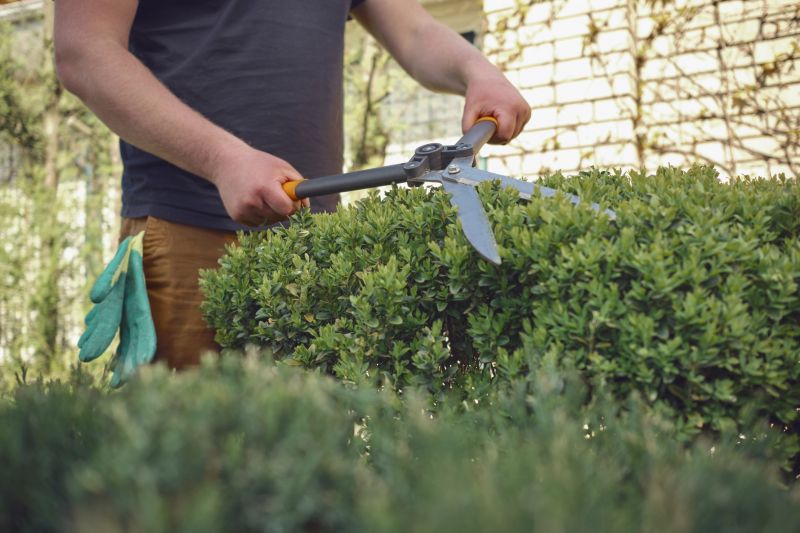
The short, realistic tool list for quality Shrub Removals.
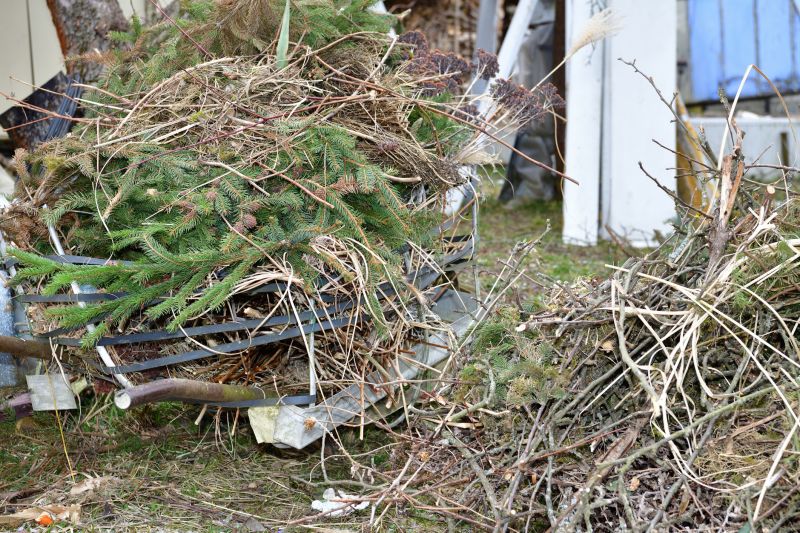
Rough timing from prep to clean-up for Shrub Removals.
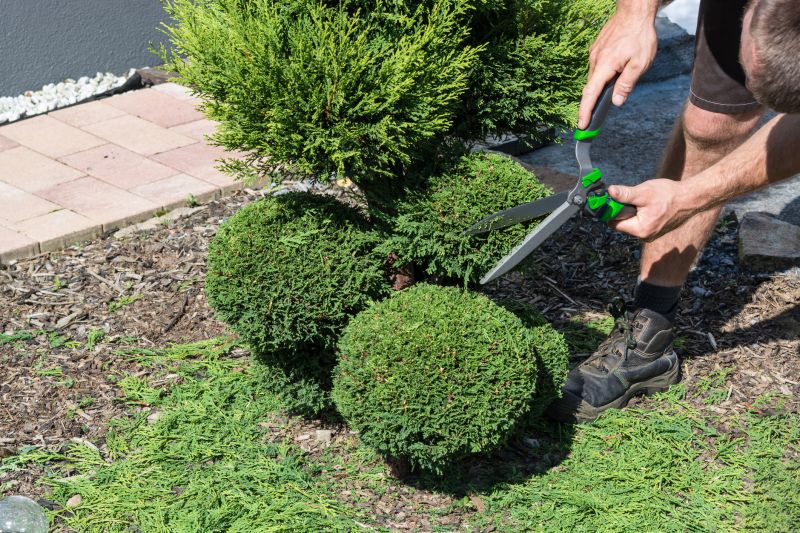
Quick checks and paperwork to keep after Shrub Removals.
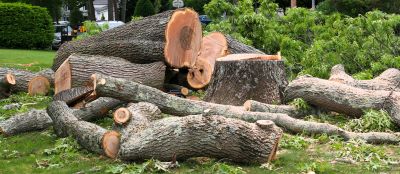
Examples that show the impact a good Shrub Removals can make.
Proper timing for shrub removal depends on climate, shrub type, and landscape goals. Early spring and late fall are generally preferred, allowing for minimal stress and optimal recovery. Seasonal considerations help prevent disease and pest issues while promoting a healthy, attractive landscape.
Weather patterns and soil conditions influence the best timing for shrub removal.
Understanding whether a shrub is deciduous or evergreen guides timing decisions.
Extreme heat or cold can hinder shrub recovery after removal.
Timing should align with landscape planning for replanting or reshaping areas.
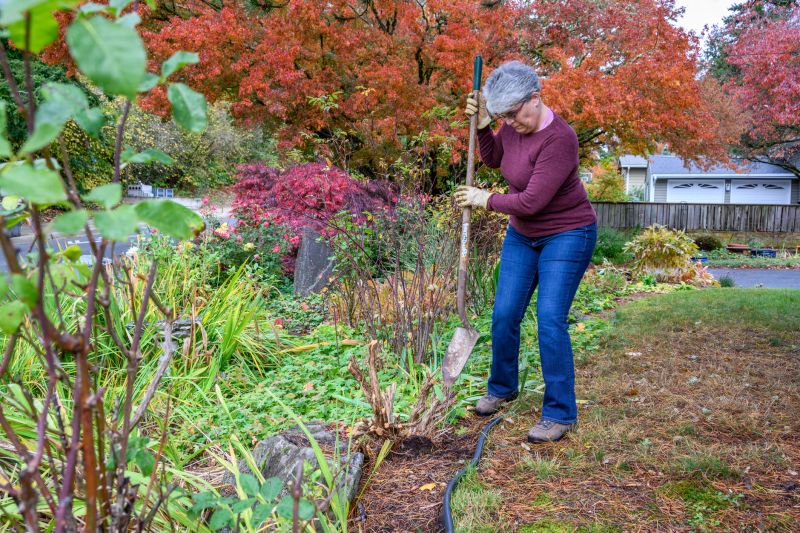
Ideal for preparing landscape for new growth season.
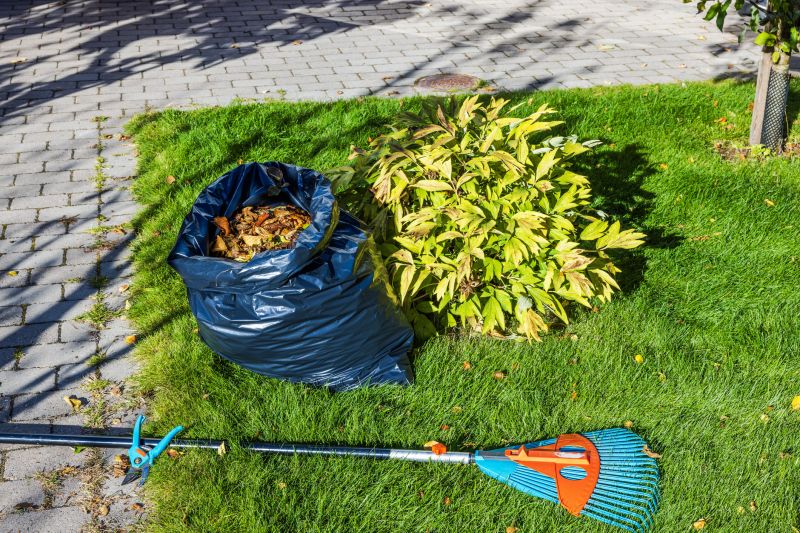
Prepares landscape for winter dormancy and future planting.
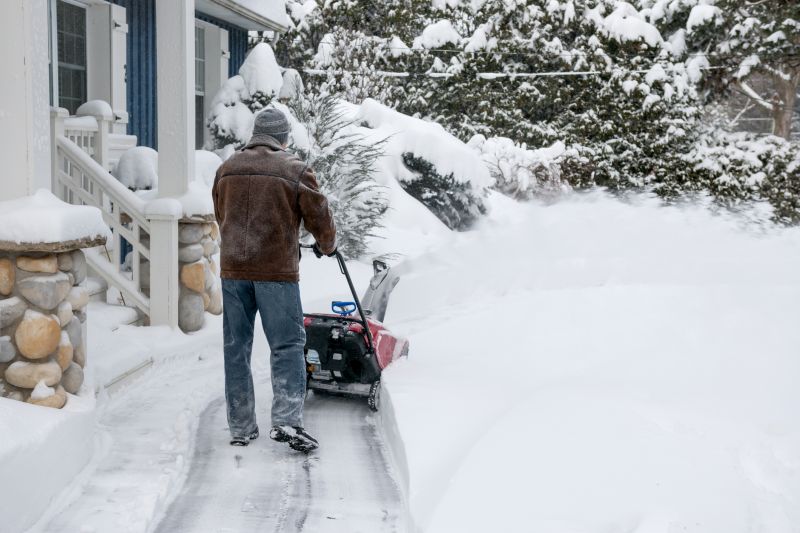
Suitable in mild climates, but less common.

Ways to make Shrub Removals work in tight or awkward layouts.
Ways to make Shrub Removals work in tight or awkward layouts.
Ways to make Shrub Removals work in tight or awkward layouts.
Ways to make Shrub Removals work in tight or awkward layouts.
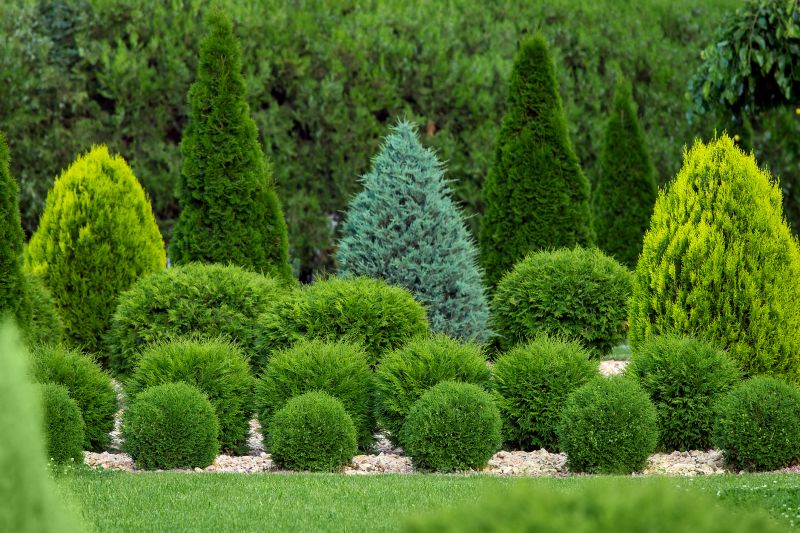
Ways to make Shrub Removals work in tight or awkward layouts.
Interested in shrub removal services? Filling out the contact form can provide more information and help schedule an appropriate time for landscape enhancement.